Ostrich Continuous Line Art for Minimalist Design Workflows
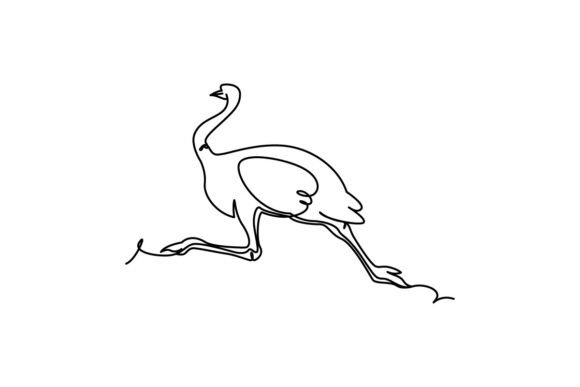
Ostrich Continuous Line Art is a unique form of vector illustration that captures the essence of an ostrich using a single, unbroken line. This minimalist approach creates a clean, elegant silhouette that can be adapted for various design purposes. The simplicity of the continuous line makes it ideal for decorative elements, branding, and visual storytelling.
As a designer, artist, or creative professional, incorporating Ostrich Continuous Line Art into your workflow can enhance efficiency and consistency. Whether you're working on a logo, icon set, or editorial layout, this style offers a versatile foundation that can be easily scaled, modified, or integrated with other design assets.
Understanding Ostrich Continuous Line Art
Ostrich Continuous Line Art is rooted in the concept of minimalism. It uses a single stroke to outline the shape of an ostrich, eliminating unnecessary details while preserving its recognizable form. This technique is particularly effective when used on a white background, as it emphasizes clarity and focus.
The design process begins with sketching the basic shape of the ostrich. From there, the artist refines the line to ensure it flows naturally without breaks or overlaps. This requires careful planning and attention to detail, as any mistake in the line’s path can affect the overall composition.
This type of art is often created using vector software such as Adobe Illustrator or Inkscape. These tools allow for precise control over the line’s thickness, curvature, and placement. Once finalized, the artwork can be exported in multiple formats, including EPS and JPG, making it suitable for both print and digital use.
Integration into Creative Workflows
Ostrich Continuous Line Art can be a valuable addition to various stages of the creative process. Before starting a project, it can serve as a reference or inspiration for designing other elements. During the execution phase, it can act as a foundational element that supports more complex illustrations or layouts.
After completing a project, the artwork can be repurposed for different applications. For example, it might be used as a background element in a website, a graphic for social media, or a motif in a product design. Its adaptability makes it a useful asset for designers looking to streamline their workflow.
When integrating Ostrich Continuous Line Art into a project, consider how it interacts with other design elements. It should complement rather than compete with other visuals. This requires thoughtful placement and sizing to maintain balance and harmony within the composition.
Practical Use Cases and Applications
One common use case for Ostrich Continuous Line Art is in branding and identity design. A minimalist ostrich silhouette can represent a company’s values—such as simplicity, strength, or elegance—without the need for complex imagery. This makes it an effective tool for creating logos, icons, or packaging designs.
In editorial design, the artwork can be used as a decorative element in articles, infographics, or magazine layouts. Its clean lines make it easy to incorporate into text-heavy designs without overwhelming the reader. It also adds a subtle visual interest that enhances the overall aesthetic.
For educators and content creators, Ostrich Continuous Line Art can be used in teaching materials, presentations, or e-learning modules. It provides a clear and engaging way to illustrate concepts related to nature, biology, or design principles. Its simplicity also makes it accessible for students and learners at different levels.
Implementation Tips and Best Practices
To effectively implement Ostrich Continuous Line Art, start by defining its purpose within your project. Ask yourself: What role will this artwork play? Will it be a central element or a supporting detail? This helps guide the design decisions and ensures the final result aligns with your goals.
When preparing the artwork, consider the intended output. If it will be used for print, ensure the resolution and file format meet industry standards. For digital use, optimize the file size without compromising quality. This helps maintain performance and usability across different platforms.
Consistency is key when using Ostrich Continuous Line Art in a series or collection. Maintain uniformity in line weight, spacing, and proportions to create a cohesive look. This is especially important when the artwork is part of a larger design system or brand identity.
Quality control is another essential factor. Review the artwork for any imperfections, such as jagged lines or inconsistent curves. Use vector editing tools to refine the design and ensure it meets your standards before finalizing the file.
Collaboration and Resource Sharing
Ostrich Continuous Line Art can also be shared and reused across teams or projects. When working with others, provide clear instructions on how the artwork should be used, including guidelines for scaling, color application, and placement. This helps maintain consistency and avoids misinterpretation.
For businesses and entrepreneurs, this type of artwork can be a cost-effective solution for marketing materials, promotional items, or website graphics. By investing in high-quality vector files, you gain flexibility and longevity, allowing the design to evolve with your brand over time.
Freelancers and independent creators can benefit from using Ostrich Continuous Line Art in their portfolios. It demonstrates technical skill, creativity, and an understanding of minimalist design principles. This can help attract clients who value clean, modern aesthetics.
Long-Term Use and Maintenance
Over time, the effectiveness of Ostrich Continuous Line Art may depend on how well it is maintained and updated. As trends change, consider revisiting the design to ensure it remains relevant and aligned with current standards. This may involve adjusting the line style, adding new variations, or adapting it for different contexts.
Storing the original vector files is crucial for long-term use. Keep them organized in a dedicated folder or cloud storage system, making it easy to access and modify when needed. This ensures the artwork remains a valuable resource for future projects.
Finally, continue exploring new ways to apply Ostrich Continuous Line Art in your work. Experiment with different styles, colors, or compositions to keep your creative process fresh and dynamic. This ongoing engagement helps you maximize the value of this versatile design element.