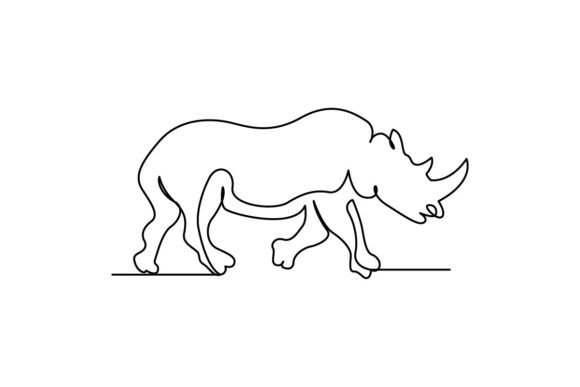
Rhino Continuous Line Art: A Modern Approach to Minimalist Design
In the world of digital illustration and graphic design, simplicity often speaks louder than complexity. Rhino Continuous Line Art has emerged as a powerful tool for creators seeking to blend artistic expression with practical utility. This unique style involves drawing intricate wildlife decorative elements using a single, unbroken line, resulting in elegant vector illustrations that are both visually striking and functionally versatile.
As minimalist design continues to dominate contemporary aesthetics, Rhino Continuous Line Art offers a fresh perspective on how to convey beauty through restraint. The technique is particularly well-suited for modern workflows where clarity, adaptability, and scalability are essential. Whether you're a designer, marketer, or business owner, understanding the value of this approach can open new creative possibilities.
What Is Rhino Continuous Line Art?
Rhino Continuous Line Art refers to the process of creating detailed illustrations using a single continuous line without lifting the pen or brush from the surface. In the context of digital design, this translates to vector graphics generated in software like Rhinoceros (Rhino), where each element is drawn as one fluid motion. The result is a seamless, interconnected composition that emphasizes form, flow, and structure.
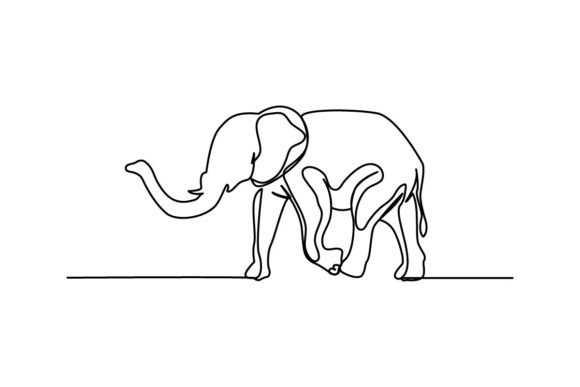
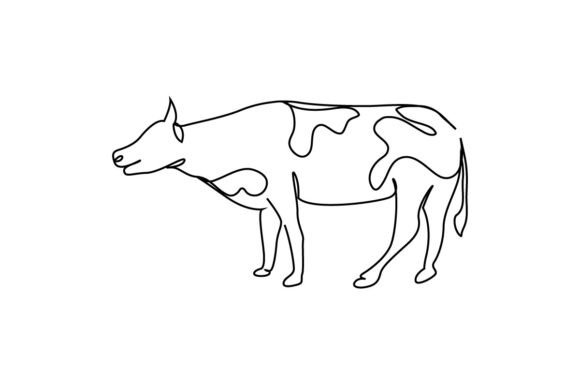
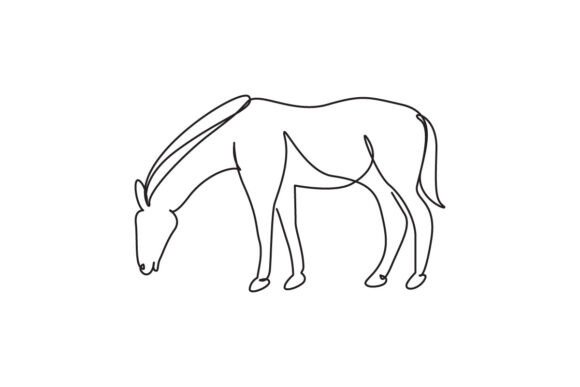
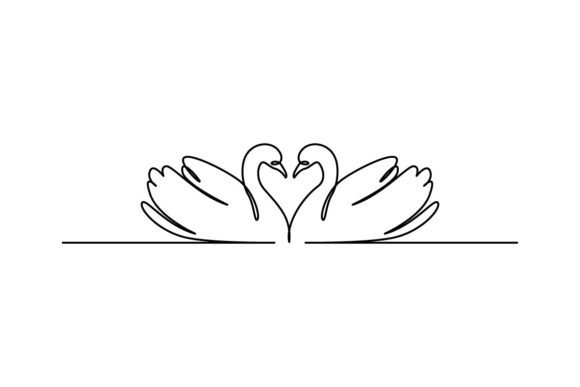
This method is especially effective for depicting wildlife elements such as animals, birds, and mythical creatures. By focusing on the essence of the subject rather than intricate details, the art form captures the spirit of the creature while maintaining a clean, modern appearance. The use of a white background further enhances the minimalism, allowing the lines to stand out without distraction.
The Relevance of Continuous Line Art in Today’s Design Landscape
With the rise of digital platforms and social media, visual content must be both engaging and adaptable. Rhino Continuous Line Art meets these demands by offering scalable, high-quality illustrations that work across various mediums. From print materials to web banners, these designs maintain their integrity and appeal regardless of size or format.
Moreover, the trend toward eco-conscious and sustainable practices has influenced design choices. Minimalist styles like continuous line art align with these values by reducing visual clutter and emphasizing quality over quantity. This makes them ideal for brands looking to communicate authenticity and simplicity in their messaging.
Evolution of the Technique
While the concept of continuous line drawing has existed for centuries, its application in digital design has seen significant growth in recent years. Advances in vector software, including Rhino, have made it easier for artists to experiment with this technique, leading to a broader acceptance and integration into professional workflows.
Additionally, the increasing demand for custom illustrations has pushed designers to explore more efficient and versatile methods. Rhino Continuous Line Art provides a solution that balances creativity with productivity, allowing for quick iterations and adjustments without compromising the final output.
Practical Applications for Creators and Businesses
For artists and illustrators, Rhino Continuous Line Art offers a unique way to express their creativity while maintaining a consistent style. It can be used as a foundation for larger projects, such as branding, packaging, or editorial illustrations. The single-line approach also simplifies the design process, making it easier to refine and adjust elements without disrupting the overall composition.
Businesses can benefit from this style by incorporating it into their marketing materials, logos, or product designs. The clean, recognizable lines make it easy to identify and remember, which is crucial in today's competitive market. Additionally, the availability of files in EPS and JPG formats ensures compatibility with a wide range of applications and platforms.
How to Incorporate Rhino Continuous Line Art Into Your Workflow
Whether you're a seasoned designer or just starting out, integrating Rhino Continuous Line Art into your workflow requires a few key steps. Begin by familiarizing yourself with the tools and techniques used in Rhino and other vector software. Practice sketching simple shapes and gradually progress to more complex subjects like wildlife.
Once you're comfortable with the process, consider experimenting with different styles and compositions. The goal is to find a balance between detail and simplicity that resonates with your audience. Collaborating with other creatives or seeking feedback can also help refine your approach and improve the overall quality of your work.
Why Rhino Continuous Line Art Matters for Modern Designers
The popularity of Rhino Continuous Line Art reflects a broader shift in how people perceive and interact with visual content. In an era where attention spans are short and competition is fierce, the ability to create something both beautiful and functional is invaluable. This style not only captures the eye but also communicates a sense of elegance and sophistication.
Furthermore, the flexibility of vector illustrations allows for easy customization and adaptation. This is particularly useful for businesses that need to update their branding or create content for multiple platforms. With the right tools and techniques, anyone can produce high-quality, professional-grade artwork that meets modern design standards.
Realistic Examples and Recommendations
Consider the following examples to understand how Rhino Continuous Line Art can be applied in real-world scenarios:
- Branding: A logo featuring a stylized animal created using a continuous line can serve as a memorable and versatile brand identifier.
- Print Materials: Posters, brochures, and packaging can benefit from the clean, modern look of continuous line illustrations, enhancing readability and visual appeal.
- Web Design: Icons and graphics designed with this technique can improve user experience by providing clear, intuitive visuals that load quickly and scale seamlessly.
For those interested in exploring this style, start with simple sketches and gradually build up to more complex designs. Utilize online resources, tutorials, and communities to learn from others and stay inspired. Remember, the key to success lies in practice, patience, and a willingness to experiment.
Conclusion: Embracing the Power of Continuous Line Art
Rhino Continuous Line Art represents a compelling intersection of creativity, functionality, and modern design principles. Its growing relevance in today's digital landscape underscores the importance of finding innovative ways to express ideas and connect with audiences. Whether you're a designer, business owner, or hobbyist, this technique offers a valuable tool for enhancing your visual communication and standing out in a crowded market.
By embracing the simplicity and elegance of continuous line art, you can unlock new creative possibilities and contribute to the evolving world of design. With the right approach and mindset, the potential for innovation and impact is limitless.