Ramen Noodles One Continuous Line: A Design Concept for Modern Restaurants
In the world of restaurant design, simplicity often speaks louder than complexity. One concept that has been gaining traction is the "Ramen Noodles One Continuous Line" design. This unique approach to visual storytelling combines functionality with artistic expression, offering a fresh perspective on how food menus can be presented. By focusing on a single, flowing line that represents ramen noodles, this design concept not only captures attention but also aligns with current trends in minimalism and user experience.
What Is Ramen Noodles One Continuous Line?
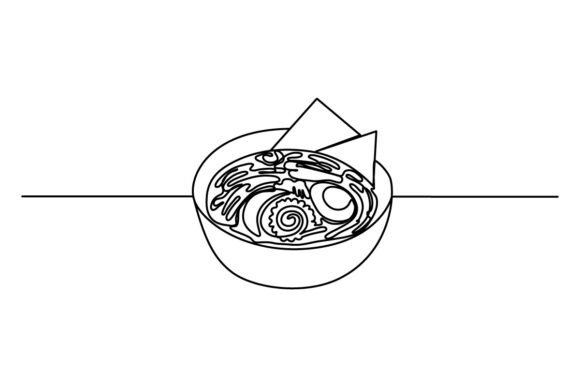
The "Ramen Noodles One Continuous Line" design is a creative approach where the entire noodle shape is drawn as a single, unbroken line. This technique allows for a clean, elegant look that emphasizes the essence of ramen without unnecessary details. The design is typically created on a white background, making it highly versatile for different applications such as digital menus, print materials, or branding elements.
This design concept is particularly relevant in today's fast-paced environment, where clarity and efficiency are key. By using a continuous line, designers can convey information quickly and effectively, reducing cognitive load for users. It’s a perfect fit for restaurants looking to streamline their menu presentation while maintaining an aesthetic appeal.
Why It Matters in Today’s Restaurant Industry
As consumer preferences evolve, so do the expectations for restaurant experiences. Customers are increasingly seeking authenticity, convenience, and visual appeal. The "Ramen Noodles One Continuous Line" design meets these demands by offering a modern, minimalist look that resonates with a wide audience.
Moreover, the rise of digital menus and mobile ordering has made it essential for restaurants to have visually engaging content. This design concept can be easily adapted for various platforms, ensuring consistency across all touchpoints. Whether it's a website, app, or printed menu, the continuous line design maintains a cohesive brand identity.
Another factor contributing to its relevance is the growing emphasis on sustainability. Many restaurants are adopting eco-friendly practices, and a simple, clean design like this can help reduce the need for excessive printing and packaging. It's a small but meaningful step towards a more sustainable future.
How It Fits Into Current Trends
The "Ramen Noodles One Continuous Line" design aligns with several ongoing trends in the restaurant industry. One of the most significant is the shift toward minimalism. In a world saturated with information, consumers are drawn to clean, uncluttered designs that make it easy to navigate and understand.
Additionally, this design concept supports the trend of personalization. While the continuous line may seem simple, it can be customized to reflect a restaurant's unique identity. From color variations to subtle embellishments, there are countless ways to tailor the design to suit different brands and audiences.
Furthermore, the design fits well within the broader movement toward digital-first strategies. As more customers rely on smartphones for dining decisions, having a visually appealing and easily recognizable logo or menu element is crucial. The continuous line design is not only aesthetically pleasing but also scalable, making it ideal for digital use.
Evolution of the Concept
The idea of using a single line to represent complex shapes is not new. It has roots in traditional art forms, such as calligraphy and sketching, where the flow of the line conveys emotion and intent. Over time, this approach has been adapted into modern graphic design, leading to the creation of the "Ramen Noodles One Continuous Line" concept.
What makes this concept stand out is its ability to evolve with changing tastes and technologies. As design tools become more advanced, creators can experiment with new ways to incorporate the continuous line into their work. This adaptability ensures that the concept remains relevant and appealing to both designers and end-users.
Moreover, the concept has gained popularity through social media and online communities. Visual content that is both simple and striking tends to perform well, and the continuous line design offers a perfect balance between the two. This has led to increased visibility and interest from a diverse range of industries beyond just restaurants.
Practical Implications for Businesses
For restaurant owners and designers, the "Ramen Noodles One Continuous Line" concept offers several practical benefits. First, it simplifies the design process by focusing on a single, clear visual element. This can save time and resources, especially when creating multiple versions of a menu or branding material.
Second, the design is highly adaptable. It can be used in various formats, including EPS, SVG, and JPG, making it suitable for both digital and print applications. This versatility ensures that the design can be integrated seamlessly into different marketing strategies and platforms.
Finally, the concept can enhance the overall customer experience. A well-designed menu not only looks good but also improves usability. By using a continuous line to represent ramen noodles, restaurants can create a visual language that is easy to understand and remember, helping to build brand recognition over time.
Realistic Examples and Recommendations
Several restaurants have successfully implemented the "Ramen Noodles One Continuous Line" design in their branding and menus. For example, a local ramen spot might use the design as a logo, incorporating it into their website, social media, and printed materials. This creates a unified look that reinforces the restaurant's identity and values.
Another example could be a chain of fast-casual eateries that uses the design across all locations. By maintaining a consistent visual style, they can build a strong brand presence and attract customers who appreciate simplicity and quality.
For businesses looking to adopt this concept, it's important to start with a clear understanding of their brand identity. The design should reflect the restaurant's personality and target audience. Working with a professional designer can help ensure that the final product meets both aesthetic and functional goals.
Additionally, businesses should consider the technical aspects of the design. Files in EPS, SVG, and JPG formats offer flexibility for different uses, so it's essential to choose the right file type for each application. This can help avoid issues with scalability and compatibility down the line.