Exploring the Romantic Border: A Unique Design Element for Creative Projects
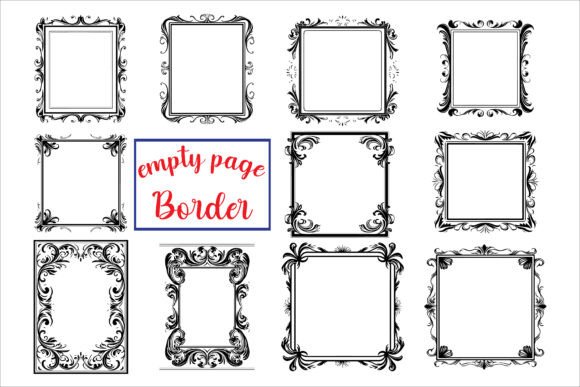
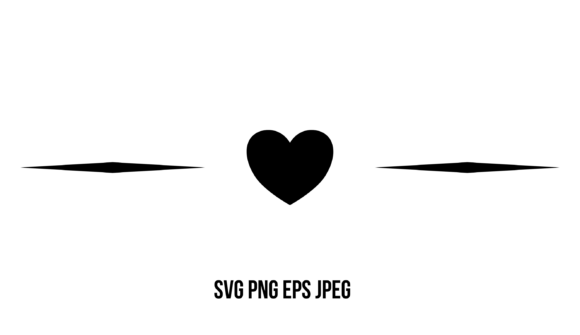
The Romantic Border is a distinctive design element that blends aesthetic appeal with practical functionality. This black pattern divider, featuring motifs such as hearts and diamonds, offers a striking visual contrast that can elevate the look of various projects. Its bold, intricate design draws inspiration from nature, echoing the symmetry of leaves and the elegance of a black rose. The Romantic Border is ideal for wedding invitations, greeting cards, letters, business cards, and other decorative applications where a touch of sophistication is desired.
What sets the Romantic Border apart from other design elements is its ability to combine simplicity with complexity. While the black color scheme provides a clean and professional appearance, the inclusion of heart and diamond patterns adds a layer of romanticism and depth. This balance makes it suitable for both formal and semi-formal occasions, allowing users to express creativity without overwhelming the overall design.
Understanding the Romantic Border's Design Features
The Romantic Border is available in multiple formats, including SVG, EPS, PNG, and JPEG at 400 dpi, making it versatile for different use cases. These file types ensure compatibility with a wide range of design software and printing processes, offering flexibility for both digital and physical projects. The high-resolution output guarantees sharp and clear results, even when used in large-scale applications.
The design’s emphasis on natural elements—such as the symmetry found in leaves and petals—gives it a timeless quality. This connection to nature not only enhances its visual appeal but also makes it a meaningful choice for events or messages that emphasize growth, love, or transformation. The black color further reinforces this theme, symbolizing strength, elegance, and mystery.
Comparing Romantic Border with Similar Design Elements
When considering design options for stationery, invitations, or document separators, the Romantic Border stands out due to its unique combination of motifs and style. Other common design elements include floral patterns, geometric shapes, and minimalist lines. Each of these has its own strengths and limitations, depending on the intended use and audience.
For instance, floral patterns often convey a sense of softness and tradition, making them ideal for weddings or personal letters. However, they may lack the boldness and structure that the Romantic Border provides. Geometric designs, on the other hand, offer a modern and structured look but may not carry the same emotional resonance as the Romantic Border’s natural-inspired motifs.
Minimalist designs are popular for their clean and uncluttered appearance, which can be effective for professional documents or branding materials. However, they may not provide the same level of visual interest or symbolic meaning as the Romantic Border. The choice between these options ultimately depends on the project’s goals, the desired tone, and the target audience.
Best Fit Situations for the Romantic Border
The Romantic Border is particularly well-suited for projects that require a balance between elegance and expression. It works well in wedding invitations, where the design can reflect the significance of the event while adding a refined touch. Similarly, it can enhance greeting cards by providing a visually appealing frame that complements the message inside.
In business settings, the Romantic Border can serve as a sophisticated separator in reports, proposals, or presentations. Its black color and structured design make it an excellent choice for maintaining professionalism while still adding a subtle artistic element. For personal letters or creative projects, it offers a way to infuse personality and emotion into the design without being overly complex.
Tradeoffs and Limitations of the Romantic Border
While the Romantic Border offers many advantages, it may not be the best choice for every project. Its intricate design, though visually appealing, could be overwhelming in certain contexts. For example, in highly minimalist or modern designs, the Romantic Border might appear too ornate or distracting. In such cases, simpler design elements may be more appropriate.
Additionally, the black color scheme, while elegant, may not align with all color palettes or themes. Users should consider how the Romantic Border will interact with other design elements, such as text, background colors, and additional graphics. Proper integration is essential to ensure that the final result is cohesive and visually pleasing.
When to Choose Alternative Options
There are scenarios where alternative design elements may be more suitable than the Romantic Border. For instance, if the goal is to create a light-hearted or playful design, a more whimsical pattern or a bright color scheme might be more effective. Similarly, for projects that require a high level of customization or scalability, vector-based formats like SVG or EPS may offer greater flexibility compared to raster formats like PNG or JPEG.
Users should also consider the availability of similar designs. While the Romantic Border is unique in its combination of motifs and style, there may be other patterns that better match specific needs or preferences. Exploring different options allows for a more informed decision based on the project’s requirements and the desired outcome.
Practical Applications and Realistic Examples
One practical application of the Romantic Border is in the creation of personalized wedding invitations. By incorporating the design as a border or divider, couples can add a touch of romance and sophistication to their invitations while maintaining a clean and organized layout. The black color also ensures that the text remains readable and prominent.
Another example is its use in business cards. The Romantic Border can serve as a subtle yet stylish accent, helping to differentiate a brand or individual in a competitive market. When paired with a professional font and minimal text, it strikes a balance between creativity and formality.
In academic or professional documents, the Romantic Border can act as a separator between sections, improving readability and visual flow. Its structured design ensures that it does not interfere with the content while still contributing to the overall aesthetic.
Making an Informed Decision
Choosing the right design element involves understanding the project’s purpose, audience, and context. The Romantic Border is a strong option for those seeking a blend of elegance, symbolism, and versatility. However, it is important to evaluate how it fits within the broader design framework and whether it meets the specific needs of the project.
By considering factors such as visual impact, compatibility, and thematic relevance, users can determine whether the Romantic Border is the best fit for their work. Exploring alternatives and experimenting with different design elements can also lead to more creative and effective outcomes.