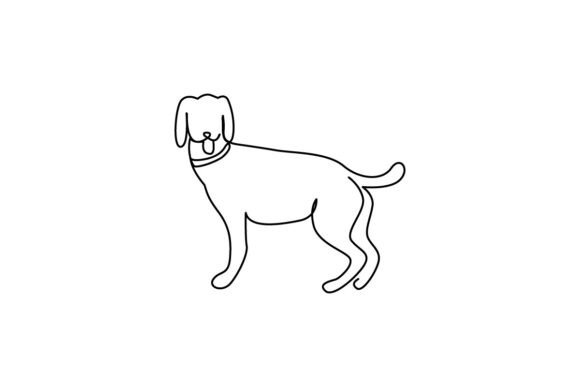
Dog Continuous Line Art: Simple, Stylish, and Strategic
Dog continuous line art is a unique form of visual expression that captures the essence of a dog using a single, unbroken line. This minimalist approach transforms complex shapes into elegant silhouettes, making it ideal for decorative elements, branding, and creative projects. Its simplicity doesn’t mean it lacks depth—each stroke carries intention, style, and purpose.
Whether you're a designer, marketer, or hobbyist, understanding the value of dog continuous line art can open new doors for your work. It’s not just about aesthetics; it’s about clarity, adaptability, and emotional resonance. Let’s explore how this design concept works and why it matters.
What Makes Dog Continuous Line Art Unique?
Dog continuous line art relies on a single, flowing line to define the shape of a dog. This technique eliminates unnecessary details, focusing instead on form, movement, and character. The result is a clean, modern look that feels both timeless and contemporary.
This style is especially effective for creating logos, icons, and illustrations that need to be instantly recognizable. The absence of color or shading means the design must communicate through structure alone, which challenges artists to be precise and intentional with every curve and turn.
For those working in digital illustration, this approach also offers practical benefits. Vector files like EPS and JPG make it easy to scale, edit, and use across different platforms without losing quality. Whether you’re designing a t-shirt, a website banner, or a social media post, the flexibility of this format is invaluable.
Creative Possibilities and Applications
The versatility of dog continuous line art makes it suitable for a wide range of creative applications. From personal projects to commercial use, its adaptability allows for endless interpretations. Here are some ways to put it to work:
- Branding and Identity: Use a dog continuous line as a logo for pet-related businesses, such as grooming services, pet stores, or veterinary clinics. The simplicity of the design ensures it remains memorable and professional.
- Printable Art and Merchandise: Turn these illustrations into posters, stickers, or custom T-shirts. Their clean lines make them perfect for print, as they maintain sharpness at any size.
- Illustration for Books and Magazines: Incorporate them into children’s books, animal-themed publications, or educational materials. They add visual interest without overwhelming the reader.
- Social Media Content: Use them as profile pictures, cover images, or graphic elements for posts. Their minimalism helps them stand out in a crowded feed.
Each application requires a slightly different approach. For example, a logo might need more emphasis on symmetry and balance, while a poster could focus on dynamic movement and visual flow.
Adapting Dog Continuous Line Art for Different Goals
Understanding your audience and purpose is key when working with dog continuous line art. What works for a children’s book might not be suitable for a corporate brand. Here’s how to tailor the design for different needs:
- For Nostalgia and Emotion: Focus on soft, flowing lines that evoke warmth and familiarity. This is great for pet-related campaigns or storytelling projects.
- For Modern and Minimalist Brands: Use sharp, geometric lines to create a sleek, contemporary look. This works well for tech startups, wellness brands, or lifestyle products.
- For Educational Purposes: Simplify the design to emphasize key features, such as the head, body, and limbs. This helps viewers quickly understand the subject.
- For Cultural or Thematic Projects: Incorporate traditional patterns or motifs into the line work to add depth and context. This is useful for cultural exhibitions, themed events, or heritage projects.
By adjusting the style and complexity, you can ensure the design aligns with your goals and resonates with your audience.
Practical Tips for Creating Effective Dog Continuous Line Art
Creating compelling dog continuous line art requires attention to detail and a clear vision. Here are some practical tips to help you get started:
- Start with a Strong Outline: Before adding any details, sketch a basic shape that captures the dog’s posture and proportions. This will guide the rest of the design.
- Keep Lines Consistent: Maintain a uniform thickness and flow throughout the illustration. This creates a sense of harmony and professionalism.
- Use Negative Space Strategically: The empty areas around the line can be just as important as the line itself. They help define shape and add visual interest.
- Test in Different Formats: View your design in black and white, grayscale, and color to see how it performs in various contexts. This helps identify any issues early on.
- Experiment with Variations: Try different angles, poses, and styles to find what works best for your project. A standing dog, a sitting dog, or a running dog each offer unique opportunities.
These steps can help you refine your approach and produce high-quality results that meet your creative and functional goals.
Why Choose Dog Continuous Line Art?
Dog continuous line art offers a powerful combination of simplicity and impact. It’s a design language that speaks clearly, adapts easily, and connects emotionally. Whether you’re looking for inspiration, a new tool for your creative process, or a way to enhance your visual communication, this style has something to offer.
Its appeal lies in its ability to convey meaning without excess. It’s a reminder that sometimes less is more—and that even the most basic forms can carry deep significance. By embracing this approach, you open up new possibilities for creativity, expression, and connection.